
How long to wait between coats of paint on walls depends on the exact paint, the surface, and the conditions in the room. A wall can feel dry before the coating has reached its listed recoat time, so touch alone is not a reliable signal that the next coat should go on.
For Erie homeowners, the practical approach is to start with the product label or technical data sheet, then account for temperature, humidity, airflow, repairs, primer, and the existing wall condition before recoating.
Dry to the Touch and Ready to Recoat Are Different
Interior paint moves through several stages after application. The surface may stop feeling wet before the coating is ready to accept another layer.
Dry to the touch describes the surface feel. Recoat time is the manufacturer's stated point when another coat can be applied under the listed conditions. Cure is the longer hardening period after the paint dries.
For scheduling the second coat, the recoat time is the stage that matters most.
Why There Is No Single Recoat Time for Every Wall Paint
Water-based wall paints do not all share one recoat schedule, and neither do alkyd or hybrid coatings. Two paints with the same sheen can still list different dry and recoat times.
The better source is the label or technical data sheet for the exact product being used. It should list the recommended recoat time along with the temperature, humidity, and application conditions used for that guidance.
This is also why one rule for every primer, wall paint, trim enamel, or cabinet coating can create problems.
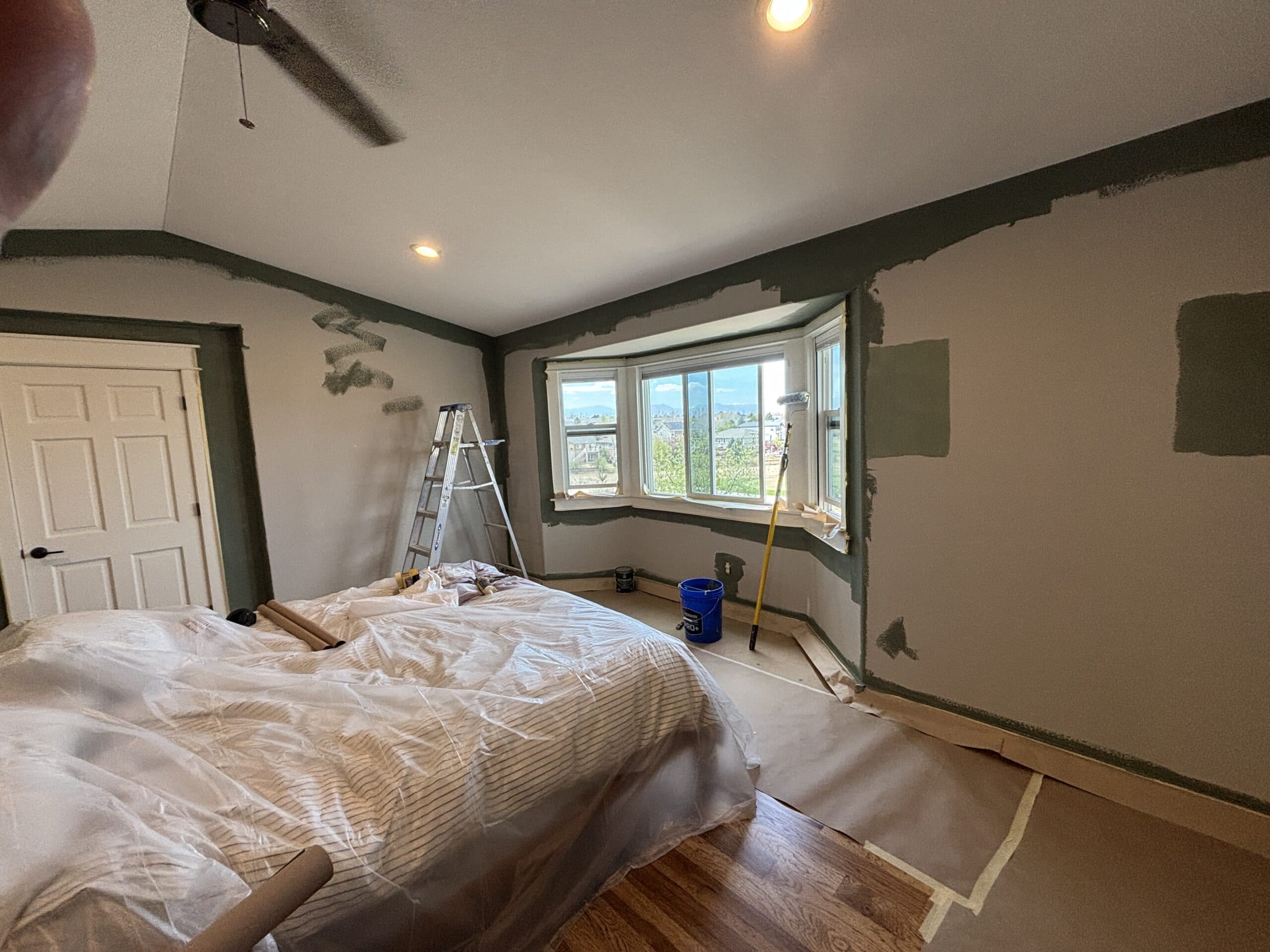
What Can Change the Wait Between Coats
The listed recoat time assumes the coating is applied within the product requirements. Conditions inside the room can still change how the first coat behaves.
A New View Painting's guide to different types of interior paint explains why the coating system should be matched to the room and surface.
Does Paint Sheen Decide the Recoat Time?
No. Flat, matte, eggshell, satin, semi-gloss, and gloss paints can have different recoat times, but sheen by itself is not enough to set the schedule.
The binder system, resin, product line, application thickness, and room conditions can matter just as much. A satin product from one manufacturer may have a different recoat time from another satin product.
Choose sheen based on appearance, cleaning needs, and room use. Then follow the recoat instructions for that exact product.
How to Tell if the First Coat Needs More Time
The manufacturer's recoat time should be your starting point. The wall also should not show obvious signs that the coating is still too soft or wet for another layer.
A smell test or scratch test is not a dependable substitute for the product instructions.
What Can Happen When You Recoat Too Soon
Applying the next coat before the first one is ready can interfere with the finish. The exact result depends on the coating and conditions.
These problems are one reason professional schedules should follow the product system rather than the fastest possible clock.
For indoor projects, the EPA recommends providing plenty of fresh air during painting and remodeling when products may release volatile organic compounds.
What About Primer?
Primer has its own dry and recoat instructions. Some primers can be topcoated sooner than others, and specialty stain-blocking or bonding primers may use a different schedule from standard water-based primers.
Do not assume primer is ready just because it looks matte or feels dry. Follow the primer label and confirm that the selected wall paint is compatible with it.
A New View Painting includes drywall patching, sanding, and priming where needed as part of its interior house painting service.
How Many Coats Do Interior Walls Need?
There is no fixed coat count for every wall. Coverage depends on the existing color, new color, paint quality, surface porosity, repairs, primer, and the condition of the existing finish.
Some projects reach even coverage with fewer coats, while others need another pass. The better approach is to follow the product coverage guidance and evaluate the wall after each coat instead of assuming every room needs the same number.
Our interior painting tips cover other preparation and application details that affect the final result.
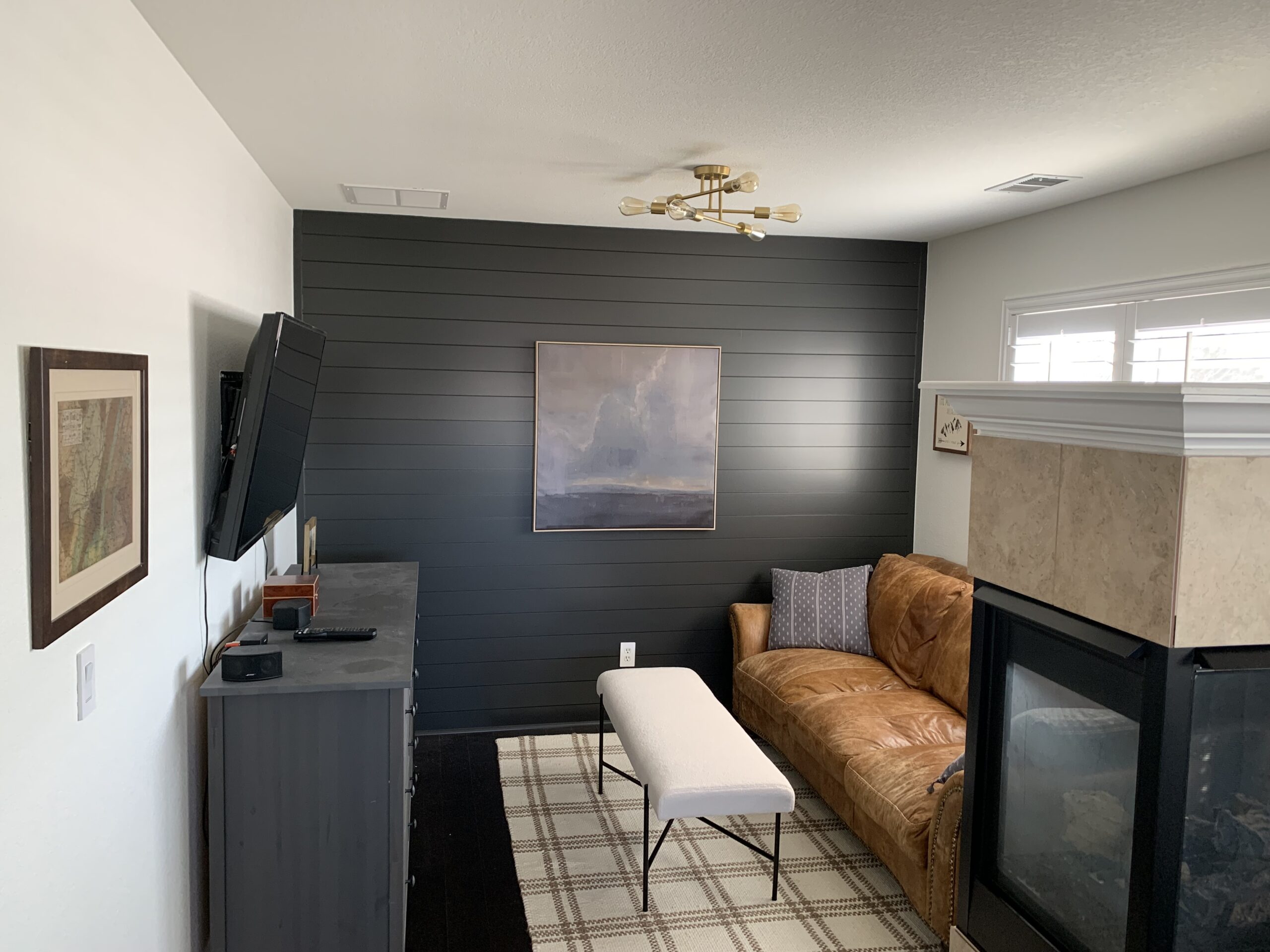
Interior Painting Timing at A New View Painting
A New View Painting is based in Erie and serves Broomfield, Lafayette, Louisville, Boulder, Frederick, Longmont, Westminster, and nearby Northern Colorado communities.
The company was founded in 2008 and is locally owned and operated. Current company information lists free estimates, clear daily communication, licensed and insured service, and interior painting throughout the year.
The current company information lists a two-year interior workmanship warranty. Interior services include walls, ceilings, trim, doors, windows, drywall patching, sanding, priming, furniture moving, and floor protection.
Frequently Asked Questions About Recoat Timing
How long to wait between coats of paint on walls?
Use the recoat time listed for the exact paint being applied. The correct wait can change with the product, temperature, humidity, airflow, and application thickness.
Is paint ready for another coat when it feels dry?
Not necessarily. Dry to the touch and ready to recoat are different stages. Follow the manufacturer's recoat guidance.
Does Colorado's dry air mean I can recoat sooner?
Not automatically. Dry air can change surface drying, but the listed recoat time for the exact product should still guide the schedule.
Do darker paint colors need more time between coats?
Color alone does not set the recoat time. Follow the instructions for the exact product and tint system instead of using one rule for all dark colors.
Can I apply the second coat the same day?
Sometimes. If the product's listed recoat time has passed and the room remains within the required conditions, a same-day second coat may be appropriate.