Interior painting tips can make or break how a space looks once the work is finished. Most homeowners focus on color first, but the real difference shows up in prep, timing, and the order things are handled. A smooth finish does not happen by accident. It comes from understanding how interior surfaces react to paint and how small decisions affect the final result.
This guide breaks down interior painting tips in a clear, practical way. It covers walls, trim, ceilings, and cabinets with a focus on what actually impacts durability, appearance, and long-term performance.
Key Takeaways:
Start With The Space, Not The Paint
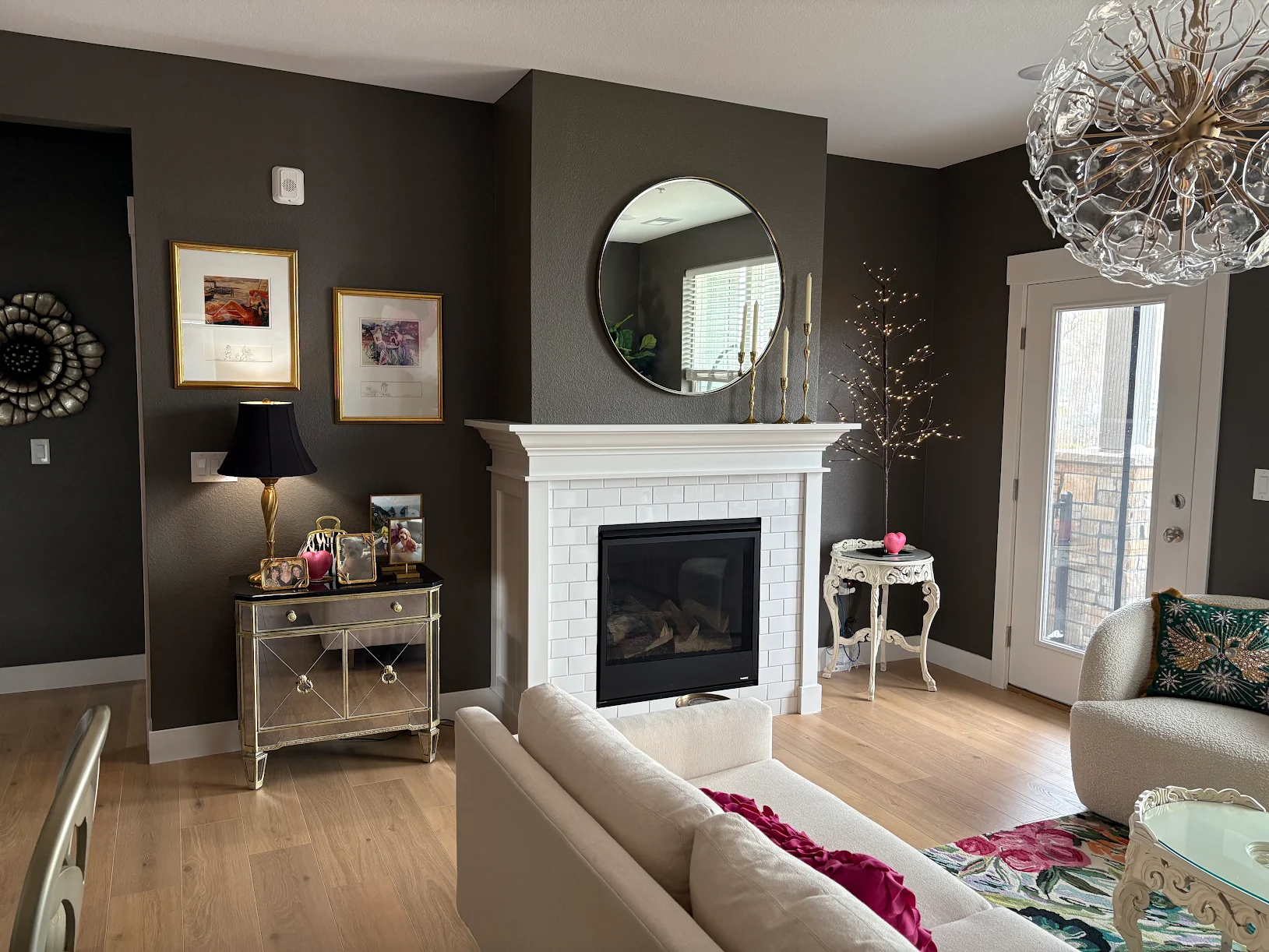
One of the most overlooked interior painting tips is evaluating the space before anything begins. Every room has its own challenges. Kitchens deal with grease. Bathrooms deal with moisture. Hallways take abuse from daily traffic.
Lighting also changes how paint looks. Natural light can soften colors, while artificial light can make them feel stronger or duller. This is why paint that looks perfect on a sample card may feel different once it is on the wall.
Before choosing colors or finishes, it helps to understand how the room is used and how light moves through it. That context drives better decisions later.
Prep Is Where Results Are Won Or Lost
Prep is not exciting, but it is where most interior painting tips start for a reason. Paint highlights flaws. It does not hide them.
Walls need to be clean and smooth. Dust, oils, and residue weaken adhesion. Even living rooms can collect buildup over time.
Repairs matter too. Nail holes, cracks, and dents should be filled and sanded so they disappear once painted. Uneven areas catch light differently and stand out after the paint dries.
Sanding also helps when surfaces are glossy or previously painted with higher sheen. Paint sticks better when it has something to grip.
Primer Does More Than Cover Color
Another core interior painting tip is understanding what primer actually does. Primer creates a stable base for paint. It helps with adhesion, blocks stains, and evens out porous surfaces.
Different situations need different primers.
- New drywall often needs a sealing primer
- Dark or bold colors benefit from a neutral base
- Glossy surfaces need a bonding primer
- Stains or water marks require stain-blocking primer
Skipping primer can lead to uneven sheen, peeling, or bleed-through. These issues often show up months later, not right away.
Color Selection Is About More Than Preference
Color choice feels personal, but it is also technical. Interior painting tips often circle back to how color behaves once it dries.
Paint can dry slightly darker or lighter depending on lighting, surface texture, and sheen. This causes confusion when walls do not match expectations. That is where understanding does paint dry darker or lighter fits naturally into planning.
Digital tools help narrow options before samples are applied. Many homeowners use paint color visualizers to see how colors interact with floors, cabinets, and furniture. This reduces second-guessing later.
Finish Choice Affects Maintenance And Appearance
Sheen selection plays a big role in durability and cleaning. Flat finishes hide flaws but are harder to clean. Higher sheen finishes clean more easily but highlights imperfections.
General interior painting tips for finishes include:
- Flat or matte for low traffic walls
- Eggshell or satin for living areas and bedrooms
- Semi-gloss for trim and doors
- Higher durability finishes for kitchens and bathrooms
Matching the finish to the room keeps surfaces looking better longer.
Order Of Painting Keeps Everything Cleaner
Painting in the right order avoids extra touch-ups. This is a simple interior painting tip that saves time and frustration.
Ceilings come first. Then walls. Trim and doors follow. This keeps splatter from landing on finished surfaces.
Larger areas are handled before smaller details. This allows consistent coverage and cleaner lines once detail work begins.
Cabinets and Built-Ins Need Special Attention
Cabinets and built-ins behave differently than drywall. They get touched more and need stronger adhesion.
Proper cleaning removes grease and residue. Sanding creates grip. Primer locks everything together. These steps matter more here than on walls.
Cabinet finishes also need time to cure. They may feel dry but still need protection early on. Rushing this stage can damage the finish.
Existing Surfaces Can Change The Plan
Not all surfaces are paint-ready. Some rooms have wallpaper, textured coatings, or older finishes that complicate things.
Painting over wallpaper requires evaluation. Some wallpaper can stay if properly sealed. Others need removal to avoid future failure. This is where how to paint over wallpaper fits naturally into interior surface planning.
Ignoring surface conditions leads to peeling, bubbling, or uneven texture later.
Dust Control Makes A Big Difference
Dust control separates average results from clean finishes. Interior painting tips often mention this briefly, but it deserves attention.
Sanding dust should be removed before painting. Floors and nearby surfaces should be protected. Air movement should be controlled during application.
Dust trapped in paint dries as texture. That texture catches light and stands out, especially on darker colors.
Dry Time And Cure Time Are Not The Same
Paint dries to the touch quickly, but curing takes longer. This matters for durability.
Walls should not be scrubbed right away. Cabinets and doors need gentle use early on. Allowing paint to cure strengthens the finish.
Rushing this stage often leads to marks, sticking, or surface damage.
Interior Painting Tips That Actually Pay Off
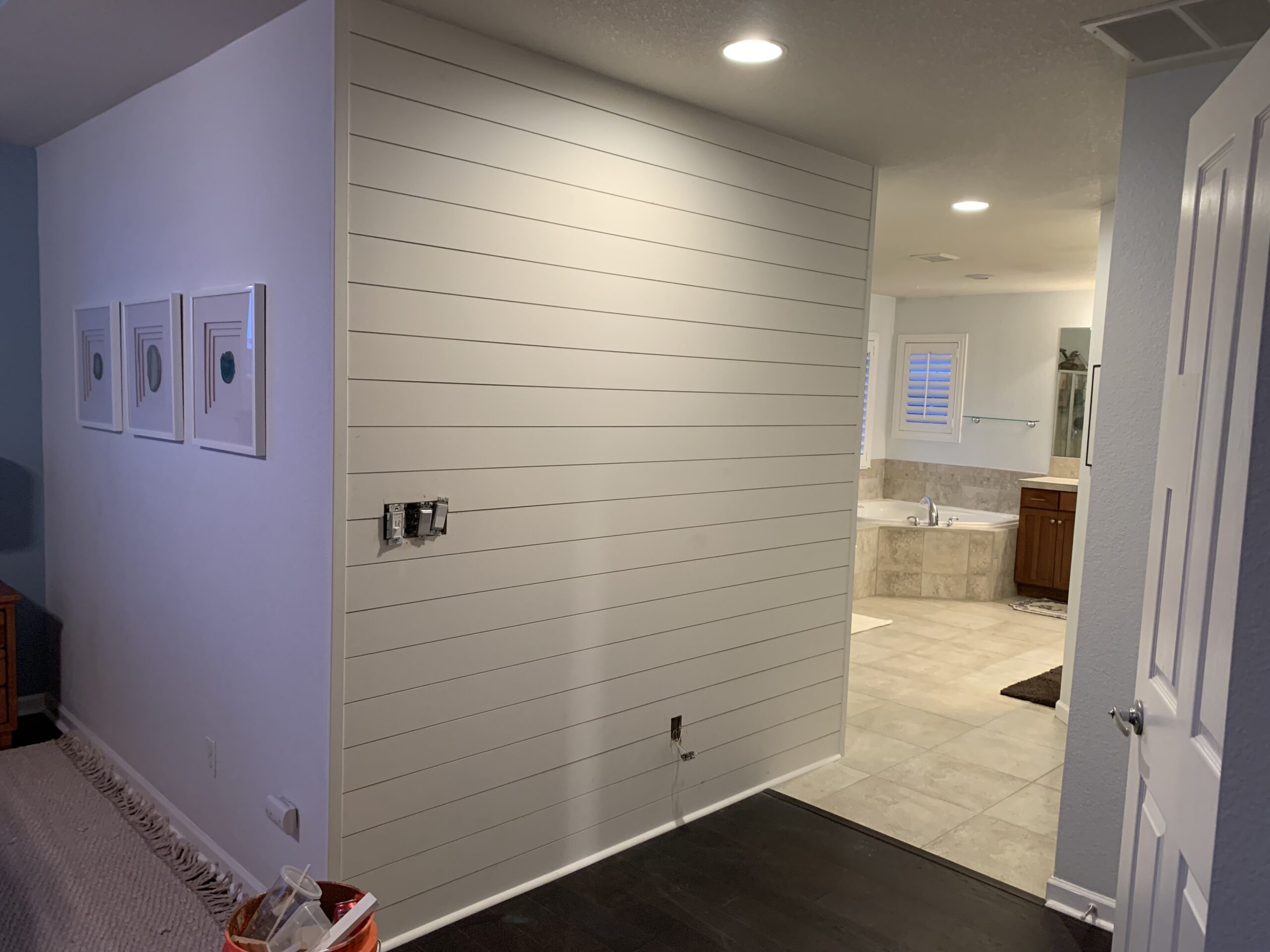
Interior painting tips work best when they are applied consistently. Prep, primer, color planning, and order all connect. Skipping one step affects the rest.
Paint does not fail randomly. Problems usually trace back to surface prep, product choice, or timing. Knowing this helps homeowners ask better questions and set realistic expectations.
A Clear Look At Our Painting Process
At A New View Painting, interior painting follows a proven system focused on long-term results.
- Evaluate surfaces and room conditions
- Prepare walls, trim, and built ins properly
- Use primers and finishes that fit the space
- Apply paint in the correct order
- Allow proper dry and cure time
We work with homeowners looking for experienced painters in Erie, CO and serve Broomfield, Lafayette, Louisville, and the surrounding areas. If you want clear guidance and professional execution, call us at 970-660-3993 for a FREE estimate and straightforward next steps.