
Sustainable painting practices are becoming a bigger part of how homeowners think about house painting. People want walls and siding that look great, but they also care about air quality, waste, and how long the finish will last. That shift has changed how paint is made and how professional crews approach each project.
If you are planning an interior refresh or an exterior update, it helps to understand what sustainable painting practices really involve. It is not just about buying a can labeled eco-friendly. It is about product choice, surface prep, moisture control, and smart planning that reduces waste from start to finish.
Key Takeaways:
Why Sustainable Painting Practices Matter More Than Ever
A fresh coat of paint changes a space quickly, but what happens after the brush is cleaned matters too. Traditional paint can release volatile organic compound gases into the air. These VOCs contribute to indoor air pollution and outdoor smog.
Sustainable painting practices reduce that exposure. By selecting lower VOC latex or acrylic paint, contractors limit fumes during application and curing. That makes a noticeable difference in homes with kids, pets, or limited ventilation.
There is also a durability factor. Paint that fails early leads to more sanding, more primer, and more coats. Over time, that means more material used and more waste generated. Sustainable painting practices focus on getting it right the first time so surfaces last longer.
Smarter Paint Choices For Health And Performance
Not all paint is created equal. Today, many manufacturers offer low VOC or zero VOC formulas that still provide strong coverage and color retention. These water-based products clean up with water instead of harsh solvents, which reduces chemical runoff and job site hazards.
Here is what typically defines better product selection:
- Low VOC acrylic paint for interior walls and ceilings
- Mildew-resistant formulas for bathrooms and humid areas
- Durable satin or eggshell finishes that balance washability and appearance
- Reflective exterior paint types that reduce heat absorption
Oil-based paint still has its place on certain metal or high-wear trim surfaces. However, it contains higher solvent levels and can yellow over time. Sustainable painting practices lean toward water-based systems whenever possible, especially for interior house painting.
Surface Preparation That Extends The Life Of Every Coat
One of the most overlooked parts of sustainable painting practices is preparation. Skipping proper prep leads to peeling, blistering, and poor adhesion. That shortens the lifespan of the finish and increases future repaint frequency.
Professional prep often includes:
- Cleaning surfaces to remove dust, grease, and mildew
- Sanding wood and trim with the right grit sandpaper
- Scraping loose paint from siding or masonry
- Applying primer to improve adhesion
- Sealing gaps with caulk around windows and doors
For exterior projects, moisture control is a big part of the equation. If siding or concrete holds water behind the surface, paint can bubble or fail. Addressing those issues before applying a coat protects both the substrate and the new finish.
This is especially true for materials like stucco, brick, and concrete. Each surface reacts differently to paint and primer. Sustainable painting practices mean matching the right product to the right material instead of using one formula everywhere.
Waste Reduction On The Jobsite
Paint waste is more common than most homeowners realize. Extra gallons often sit in garages for years or end up in landfills. Sustainable painting practices reduce that excess through better planning and storage.
Contractors can:
- Measure square footage accurately before ordering materials
- Mix only what is needed for the day
- Store leftover paint properly for touch-ups
- Recycle metal cans when possible
- Dispose of unusable product at approved facilities
In some areas, paint recycling programs reprocess unused latex into new coatings. That keeps material out of landfills and supports circular manufacturing systems.
Small details also add up. Reusable drop cloths instead of single-use plastic, durable brushes instead of disposable rollers, and proper dust containment during sanding all reduce environmental impact.
Color And Energy Efficiency
Sustainable painting practices also consider how color affects energy use. Exterior color influences how much heat a home absorbs. Dark shades absorb more sunlight, while lighter colors reflect it.
In warmer climates, reflective coatings on siding or roof surfaces can reduce cooling demand. That may lower strain on HVAC systems during peak summer months.
Finish selection matters too. Gloss and semi-gloss finishes reflect more light, which can brighten interior spaces and reduce the need for artificial lighting during the day. Satin offers a middle ground with durability and a softer look.
Choosing the right color scheme is not only about style. It can support comfort and efficiency at the same time.
Indoor Air Quality And Cure Time
Even low-VOC paint needs proper ventilation during application. Sustainable painting practices include airflow planning, especially in tight spaces like bathrooms and hallways.
After application, paint continues to cure. While water-based products dry quickly to the touch, full curing can take longer. Allowing adequate cure time before heavy use improves durability and reduces lingering odor.
Humidity also plays a role. High moisture levels can slow drying and trap water under the coat. Managing indoor conditions during painting supports both performance and air quality.
Materials Matter From Primer To Topcoat
Primer is often skipped in rushed projects, but it plays a large role in sustainable painting practices. It creates a stable base that improves adhesion and reduces the number of finish coats needed.
For example:
- Stain-blocking primer prevents bleed-through on wood
- Masonry primer bonds to concrete and brick
- High adhesion primer supports slick surfaces
Using the right primer means fewer layers of finish paint. That saves material and extends the life of the system.
Additionally, selecting mildew-resistant coatings in bathrooms or kitchens reduces long-term damage from moisture. That lowers the chance of premature repainting and protects drywall and wood underneath.
How Sustainable Painting Practices Show Up In Real Projects
Sustainable painting practices are not a marketing slogan. They show up in day-to-day decisions on the jobsite.
A professional crew may choose a low VOC latex for interior walls, use a durable satin finish for trim, and apply a moisture-tolerant exterior paint on siding. They will sand surfaces for proper adhesion, patch cracks in masonry, and apply primer where needed.
They will also monitor weather conditions for exterior painting. Applying a coat during extreme humidity or cold temperatures can lead to early failure. Timing the project correctly protects both the investment and the environment.
When done well, sustainable painting practices mean fewer repaints over the life of a home. That reduces labor, material use, and overall environmental impact.
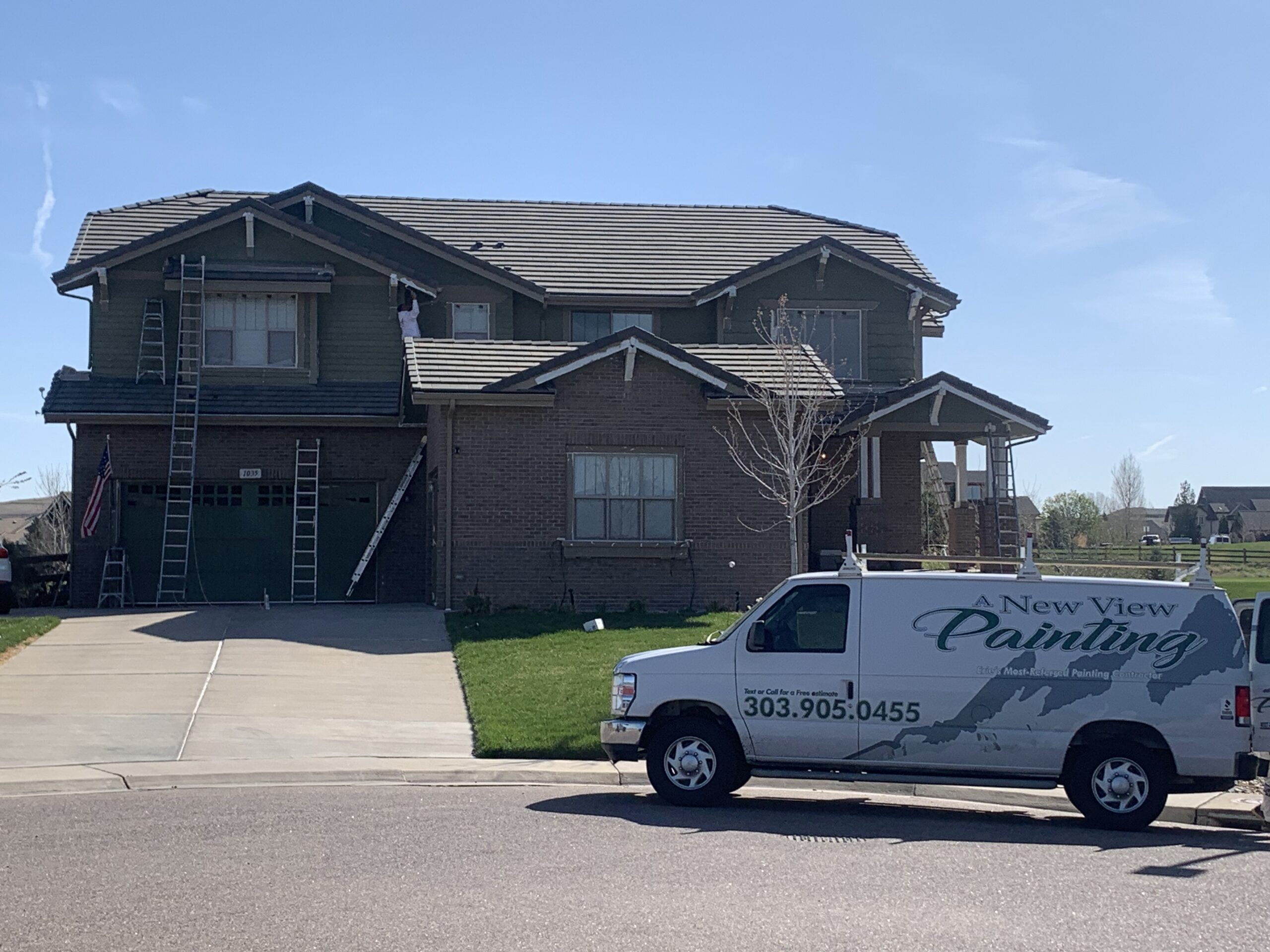
Sustainable Painting Practices With A New View Painting
At A New View Painting, sustainable painting practices are built into how we approach every house painting project. Our team focuses on product selection, surface prep, and clean jobsite management from start to finish.
Here is what that looks like in action:
- Careful inspection of wood, siding, concrete, and masonry before painting
- Detailed sanding and cleaning to improve adhesion
- Application of the correct primer for each substrate
- Use of low VOC acrylic paint whenever possible
- Controlled mixing and storage to reduce waste
As painters in Erie, CO, we also pay attention to the climate. Colorado weather can shift quickly, so timing and moisture control are part of our planning process. That helps extend the life of each coat and supports sustainable painting practices long term.
Call us at 970-660-3993 for a FREE estimate and learn how sustainable painting practices can support a healthier, longer-lasting finish for your home.