The best paint for bathroom walls and ceiling does more than change how the room looks. It has to deal with steam, moisture, daily cleaning, and surfaces that get touched constantly. Bathrooms are one of the few rooms where paint failure shows up fast, especially around cabinets, trim, and ceilings.
Homeowners usually start with color, but bathrooms work better when performance comes first. Paint type, finish, and prep all decide how long the space holds up before stains, peeling, or mildew start creeping in. This matters even more for bathroom cabinets, which see more wear than walls ever will.
Below, we walk through what actually works, why it works, and where different paint choices make the biggest difference.
Key Takeaways:
- The best paint for bathroom walls and ceiling focuses on moisture resistance first, not just color or style.
- Proper primer selection plays a major role in preventing peeling, bubbling, and mildew over time.
- Satin and semi-gloss finishes handle humidity better than flat or matte finishes in most bathrooms.
- Bathroom cabinets need tougher coatings than walls due to frequent contact and cleaning.
- Matching paint type and finish to each surface helps the bathroom stay consistent and durable longer.
Why Bathroom Paint Breaks Down Faster Than Other Rooms
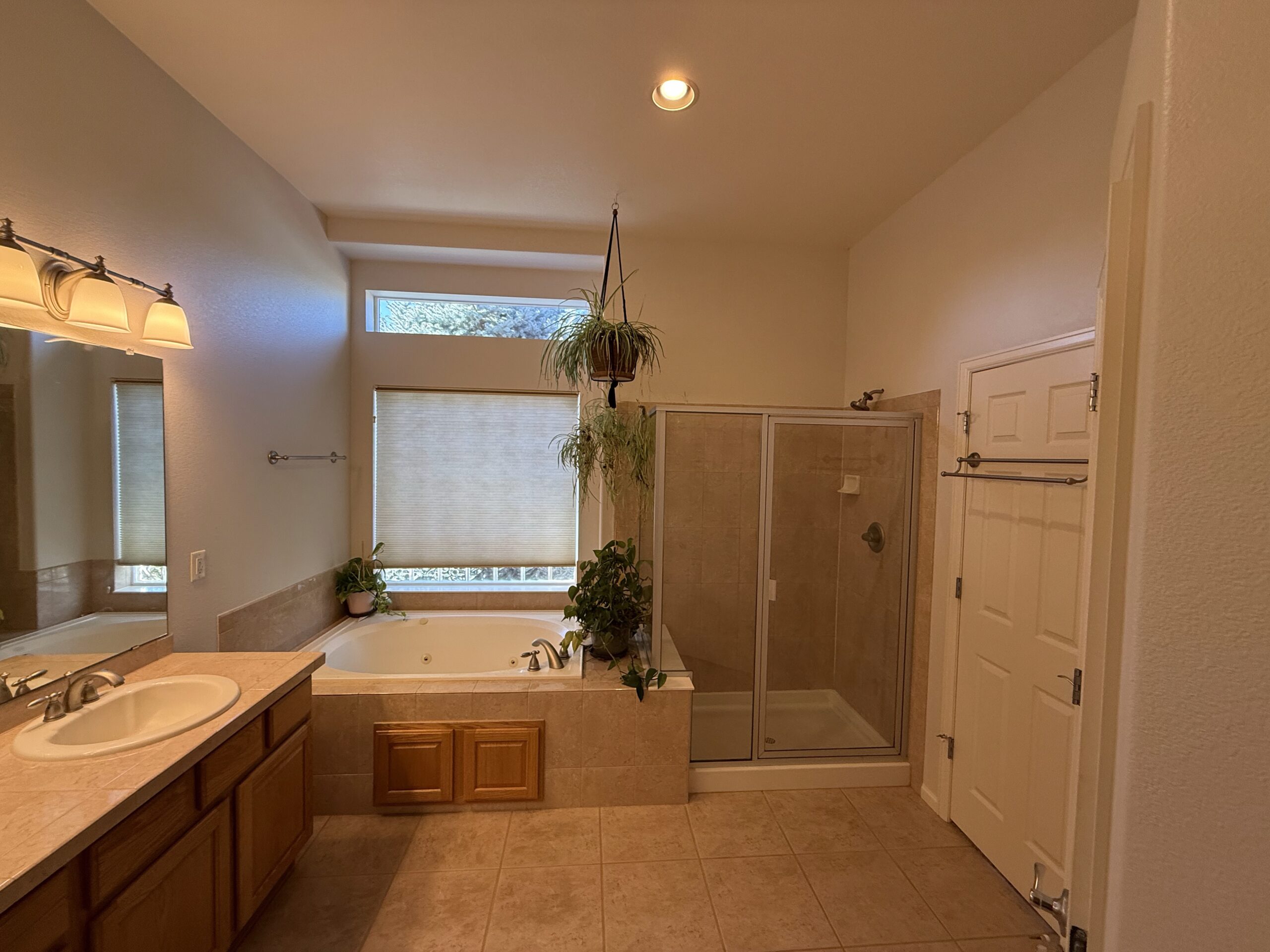
Bathrooms are small, enclosed spaces where water and heat collect. Even with good ventilation, moisture settles on walls, ceilings, and cabinets after every shower.
Over time, this leads to:
- Paint softening or bubbling
- Mildew forming in corners and seams
- Uneven sheen from repeated cleaning
- Cabinet doors sticking or wearing unevenly
The best paint for bathroom walls and ceiling slows all of this down by resisting moisture instead of absorbing it. That resistance starts with how the surface is prepared and continues with the paint system used.
Prep Work That Sets Bathroom Paint Up For Long-Term Results
Bathroom paint performance depends heavily on what is under the surface. Skipping proper prep shortens the life of even high-quality paint.
Primers Built For Moisture And Adhesion
Bathrooms almost always need a primer designed for humidity. These primers bond better to existing finishes and help seal the surface so moisture does not push through.
Common uses include:
- Previously painted glossy walls
- Trim and doors with older coatings
- Cabinets that need stronger adhesion
Many moisture-rated primers also slow mildew growth, which is critical in bathrooms without strong airflow.
Mold And Mildew Resistant Primer Options
In bathrooms with limited ventilation, mold-resistant primers play a bigger role. These formulas help prevent spores from developing under the paint film.
Any existing mildew should be removed before priming. Painting over it traps the problem instead of fixing it.
Drywall Primer For New Or Repaired Surfaces
New drywall absorbs paint unevenly. A drywall or PVA primer creates a consistent base so the finish coat dries evenly and looks uniform.
This step matters when choosing the best paint for bathroom walls and ceiling, especially if the walls were recently patched or replaced.
Paint Base Types That Perform Best In Bathrooms
Not all paint bases react the same way to moisture and temperature changes.
Water-Based Latex Paint For Walls And Ceilings
Water-based latex paint is the most common choice for bathroom walls and ceilings. Modern formulas are flexible, washable, and better at handling humidity.
Benefits include:
- Easier maintenance over time
- Lower odor during application
- Faster drying between coats
- Better resistance to cracking
For most bathrooms, latex paint forms the foundation of the best paint for bathroom walls and ceiling.
Oil-Based Paint Where Cabinets Take A Beating
Bathroom cabinets are a different story. Doors and drawer fronts get touched daily, wiped often, and exposed to moisture from sinks and showers.
Oil-based paint is still used on cabinets because it cures into a harder surface that resists wear. It does take longer to dry and can yellow over time, which is why it is usually limited to cabinetry and trim rather than walls.
Choosing The Right Paint Finish Without Guesswork
Finish selection affects durability, cleaning, and how flaws show through the paint.
Satin Finish For Bathroom Walls
Satin is one of the most common wall finishes in bathrooms. It offers a light sheen that resists moisture while still looking soft.
It cleans more easily than flat finishes and holds up better in humid rooms. Many homeowners compare finishes when deciding between satin paint vs. matte paint, especially in bathrooms, where moisture makes matte finishes harder to maintain.
Semi-Gloss And Gloss For Cabinets And Trim
Semi-gloss and gloss finishes repel water more effectively than lower sheen paints. They are commonly used on:
- Cabinets
- Trim
- Doors
- High splash areas
They clean easily but highlight surface imperfections, which makes prep work especially important.
Understanding differences like eggshell vs. semi-gloss paint helps homeowners choose finishes that balance appearance with durability.
Eggshell And Flat Finishes In Limited Spaces
Eggshell and flat finishes absorb moisture more easily. They work best in powder rooms or low-humidity bathrooms where steam is minimal.
In full bathrooms, these finishes usually show wear faster and require more upkeep.
Ceiling Paint Choices That Reduce Stains and Mildew
Bathroom ceilings take more moisture than most people expect. Steam rises and settles, which leads to staining over time.
The best paint for bathroom walls and ceiling includes a ceiling finish that matches the room’s moisture level.
- Satin works in powder rooms
- Semi-gloss performs better in steamy bathrooms
- Flat ceiling paint is more likely to show water stains
A slightly higher sheen on the ceiling often extends the time between repaints.
Cabinet Paint Needs More Than Just The Right Color
Bathroom cabinets are one of the most demanding surfaces in the home. Paint on cabinets must handle moisture, friction, and cleaning without softening or chipping.
Cabinet coatings are selected based on:
- Adhesion strength
- Moisture resistance
- Hardness once cured
This is where experienced painters make the biggest difference. Proper prep, primer choice, and finish selection all affect how cabinet paint holds up long term.
In areas like Erie, Colorado, temperature and humidity swings make cabinet performance even more important, which is why working with painters in Erie, CO who understand these conditions matters.
Color Comes After Performance Decisions Are Made
Once the right paint system is selected, color choices become easier. Lighting, cabinet finish, and room size all influence how color appears in a bathroom.
Lighter colors reflect light and help small bathrooms feel more open. Darker tones add depth but often need higher sheen finishes to stay clean.
Tools like paint color visualizers help narrow down options while keeping performance needs front and center.
A Practical Way To Decide What Works In Your Bathroom
Breaking the process into steps keeps decisions simple.
- Identify existing surfaces and finishes
- Select primers that handle moisture and adhesion
- Choose paint bases suited to walls, ceilings, and cabinets
- Match finishes to humidity and cleaning needs
- Finalize color once durability is locked in
This approach leads to better results and fewer surprises later.
Final Thoughts: Best Paint For Bathroom Walls And Ceiling
The best paint for bathroom walls and ceiling balances moisture resistance, durability, and appearance. Bathrooms place more stress on paint than most rooms, especially around cabinets and ceilings.
Choosing the right primer, paint base, and finish helps prevent early wear and moisture damage. Cabinets benefit from harder, more durable coatings than walls or ceilings. When each surface gets the paint system it needs, the entire bathroom performs better over time.
How A New View Painting handles bathroom painting:
- Evaluate moisture levels and existing coatings
- Prep surfaces for strong adhesion
- Select finishes based on real use, not trends
- Apply coatings built for durability and easy maintenance
A New View Painting works with homeowners across Erie, Broomfield, Lafayette and the surrounding areas. If you are planning a bathroom update and want guidance that focuses on long-term performance, call us at 970-660-3993 for a FREE estimate.