
You pull into your Longmont driveway and you can see it on the front of the house. Shutters that anchored the curb appeal five years ago are showing their age. Paint flaking off the louvers, color fading in patches from the high-altitude sun, the bottom edges showing where moisture has worked its way under the finish.
Most homeowners researching how to paint shutters land on the same fork in the road. The weekend DIY route runs $150 to $450 in materials, plus 12 to 20 hours of skilled work; the professional repaint runs $700 to $1,500 for a typical Longmont home, with the work done in 1 to 2 days and the result holding 5 to 7 years. Either is reasonable; the math just looks very different for each.
This guide breaks down how to paint shutters properly, what drives the real cost in Northern Colorado, the right product for each shutter material, and how to decide between DIY and a professional repaint.
Key Takeaways
- Professional shutter painting in Longmont typically costs $45 to $85 per shutter, $700 to $1,500 for a typical home.
- DIY shutter painting runs $150 to $450 in materials, plus 12 to 20 hours of skilled work over a weekend or two.
- The right paint depends on the shutter material: 100% acrylic latex for vinyl, latex or oil for wood, enamel for metal.
- Surface preparation (cleaning, sanding, priming) determines whether the paint holds for 6 years or 18 months.
- Northern Colorado high-altitude UV demands exterior-grade paint with UV-blocking pigments regardless of shutter material.
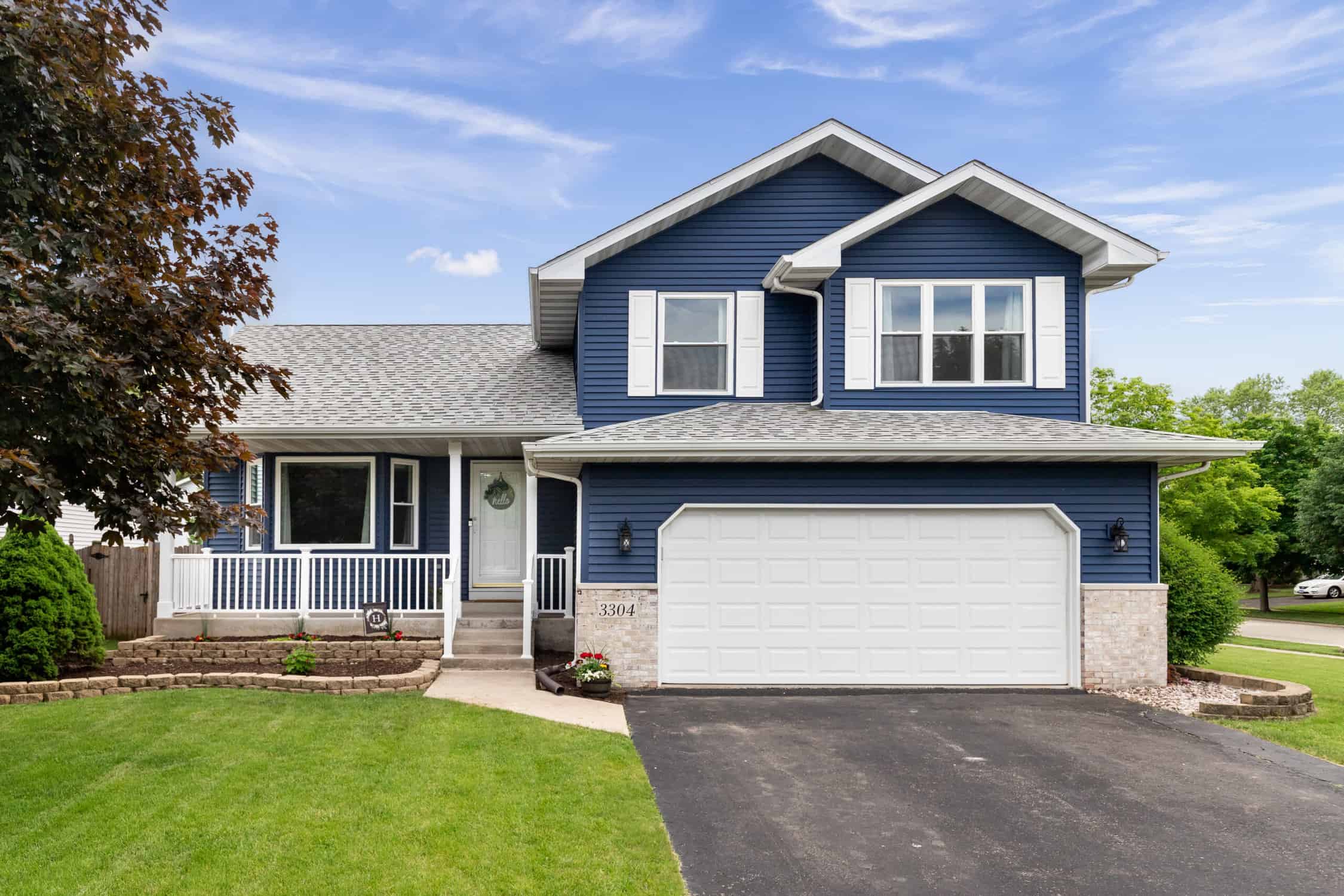
How to Paint Shutters in Longmont: The Complete Process
The right way to paint shutters follows a specific order. Skip a step and the whole job is compromised.
Should You Remove Shutters Before Painting?
Removing shutters takes more setup time but produces meaningfully better results. Working on a flat surface gives you control of every louver, eliminates drip risk onto your siding, and lets you reach edges that are inaccessible when shutters are mounted on the house.
If the shutters are screwed in rather than hidden-mounted, removal usually takes 5 to 10 minutes per shutter. The time investment pays back in finish quality and worker safety.
The 4-Step Surface Prep Process
Clean each shutter with a mild detergent solution, killing any mildew with a 1:4 bleach-water mix first if present. Rinse with a hose and let dry for at least 24 hours.
Sand lightly with 120-grit to create texture for paint adhesion and to smooth out raised grain or old paint drips. Prime any bare wood, glossy factory finishes, or stained surfaces with the right primer for that material. Apply two thin topcoats with proper cure time between coats.
Choosing the Right Paint for Your Material
For vinyl shutters, 100% acrylic latex paint labeled vinyl-safe is the right product, applied over a bonding primer formulated for plastic.
Wood shutters can use either acrylic latex or oil-based exterior paint, with satin or semi-gloss finishes performing best on Front Range exposure. Metal and aluminum shutters need enamel paint with a glossy finish that sheds water and resists Colorado UV.
What Drives the Cost to Paint Shutters in Longmont
The shutter painting project cost depends on three factors that move the budget more than anything else. Knowing them upfront prevents quote shock.
Shutter Material and Condition
Wood shutters require the most preparation work and typically cost the most to paint properly. Front Range UV and freeze-thaw cycling crack and fade wood faster than in milder climates, which means more sanding, filling, and priming on most jobs.
Vinyl shutters cost less to paint but require vinyl-safe acrylic latex and a bonding primer. Composite and metal shutters fall between the two on prep cost.
Professional vs DIY Cost Breakdown
Professional shutter painting in Longmont runs $45 to $85 per shutter for prep, primer, and two finish coats. A typical Longmont home with 12 to 16 shutters comes in at $700 to $1,500 for the full job.
DIY costs $150 to $450 in materials: paint at $40 to $70 per gallon, primer at $25 to $50 per gallon, plus brushes, rollers, masking, and drop cloths. The trade-off is the 12 to 20 hours of skilled work the homeowner provides.
Colorado-Specific Cost Factors
According to NOAA Front Range climate data, Longmont sits at roughly 5,000 feet elevation, which delivers approximately 20% more UV intensity than sea level. That intensified UV requires premium exterior paint with UV-blocking pigments, which costs more per gallon but is non-negotiable for Front Range exposure.
Multi-story homes with second-story shutters add roughly 20% to professional pricing because of the ladder and safety equipment needed for higher work.
Application Techniques That Deliver Professional Results
Two application methods cover most shutter painting situations. The right choice depends on the shutter style and your tool access.
Brush Application
A quality 2 to 2.5 inch nylon-polyester brush gives you the most control on louvered shutters. Paint the louvers first with a smaller 1 to 1.5 inch trim brush, then the frame with the wider brush.
Keep the brush on the dry side. Excessive paint loading causes runs, drips, and sticking on adjustable louvers.
Spray Application
Spray painting delivers a smoother factory-style finish and significantly faster coverage on louvered shutters. Either canned spray paint or an airless sprayer works, depending on the number of shutters.
The trade-off is setup time: spray requires more masking, more equipment cleanup, and more attention to overspray. For 4 or fewer shutters, brushing is faster overall.
Working in Colorado Weather
Apply paint when temperatures are between 50°F and 90°F with relative humidity below 70%. Work out of direct sunlight; surface temperatures climb significantly above air temperature in the Front Range sun, which dries paint too fast for proper film formation.
Early morning and late afternoon offer the most stable conditions in Longmont, especially May through September.
When to DIY vs Hire a Professional
The DIY versus pro decision comes down to four practical factors, not budget alone.
When DIY Makes Sense
DIY is reasonable when you have 4 or fewer shutters, ground-level access on a single-story home, shutters in good condition with minimal prep needed, basic painting experience, and the time to spread the work across a weekend or two.
When to Call a Pro
Professional installation makes more sense when you have multiple stories with second-floor shutters, large shutter counts that scale beyond a weekend project, shutters needing significant repair or stripping, or scenarios where your time is worth more than the cost savings.
For broader context on what a full exterior project actually includes, see our guide on what is included in exterior paint project.
Finding the Right Painter
Look for contractors who understand Front Range climate conditions. Ask what specific paints they recommend for high-altitude UV, how they handle prep and priming, whether they remove shutters or paint in place, and what warranty they provide.
For sheen and product choice across your full exterior, see our guides on different paint sheen for interior and exterior projects and on stylish 2 tone exterior house colors.
Making Your Investment Last
A quality shutter paint job in Longmont lasts 5 to 7 years before the next major refresh is needed. Hitting the top of that range comes down to product selection and maintenance.
Product and Prep Decisions That Drive Lifespan
Premium exterior paint with UV-blocking pigments outperforms budget product significantly on Front Range exposure. The cost difference per gallon is typically $15 to $25; the cost difference in repaint frequency is often a full repaint cycle.
Two full topcoats over the right primer outperform one heavy coat every time. Skipping the second coat is the single most common reason DIY shutter jobs fail in year two.
Annual Maintenance Schedule
Inspect your shutters once a year, ideally in early spring after winter exposure. Look for hairline cracks, paint pulling away from edges, dark streaking, and any signs of fading or chalking.
Wash shutters every 12 to 18 months with mild soap and water to remove dirt, pollen, and any mildew before it bonds to the paint surface.
When to Refresh
The right time to repaint shutters is BEFORE failure becomes visible from the street. Touch-ups at year 3 or 4 typically extend the life of the original paint job to year 7 or 8.
Waiting until shutters look obviously worn means the prep work for the next paint job is significantly more expensive than maintenance touch-ups would have been.
Your shutters are the first detail visitors see when they pull up to your Longmont home, and Northern Colorado weather punishes shortcuts on every step from prep to final coat. Whether you want an honest assessment of whether your shutters should be repainted or replaced, advice on the right materials for your specific shutter type and Front Range conditions, or a full professional repaint that holds up to high-altitude UV for 5 to 7 years, our team at A New View Painting will walk you through exactly what your home needs.
Call 970-660-3993 for a FREE estimate today.